
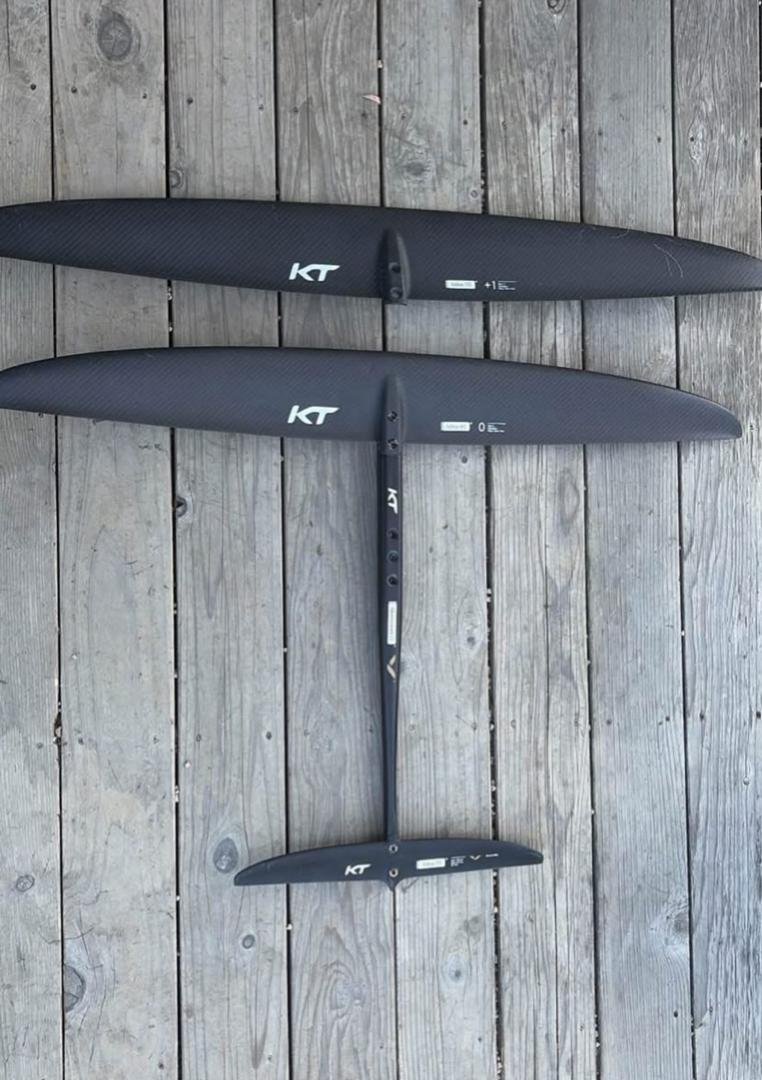
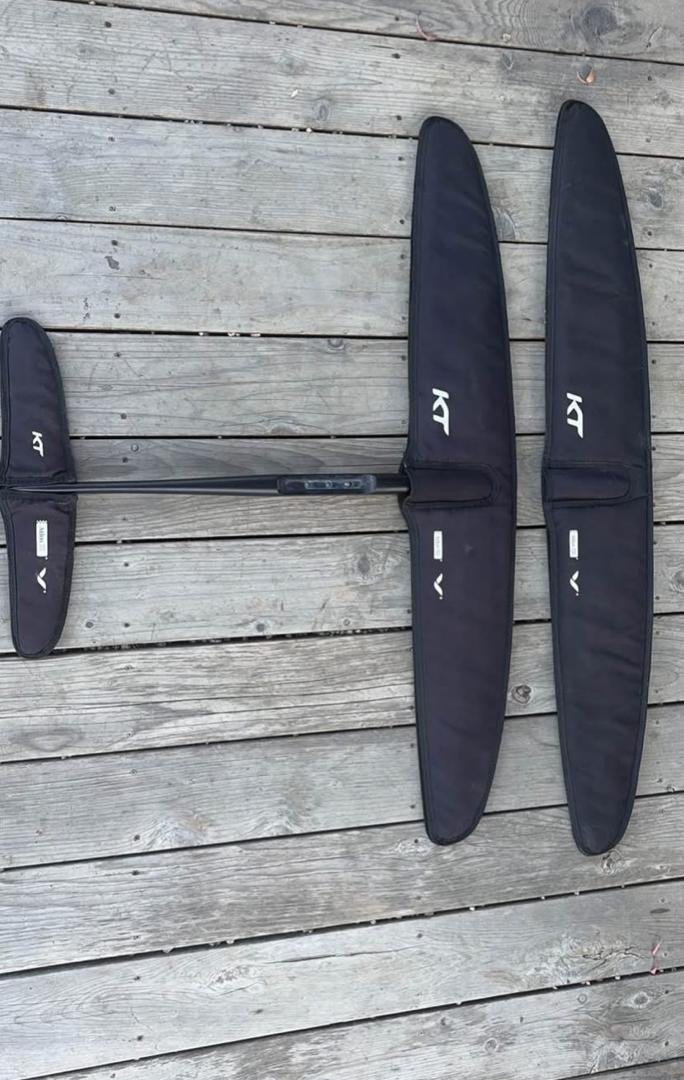
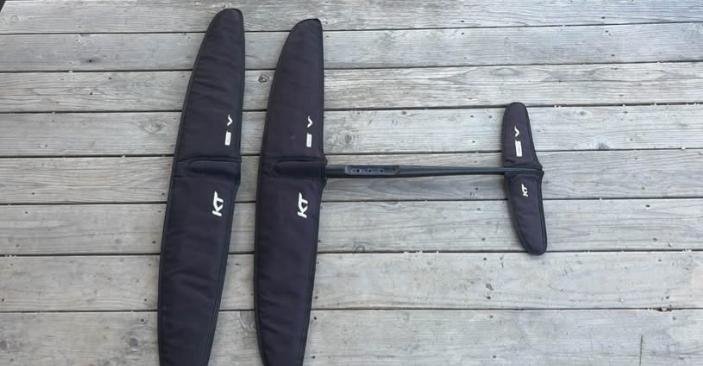
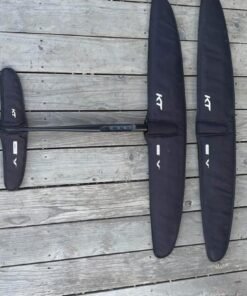
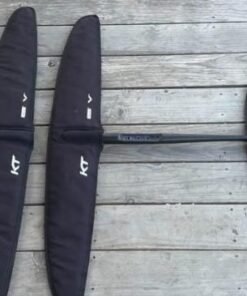
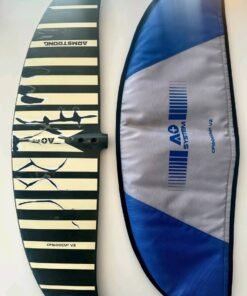
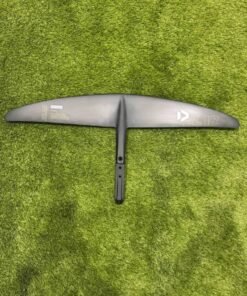
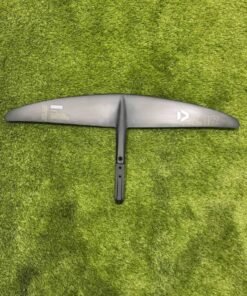
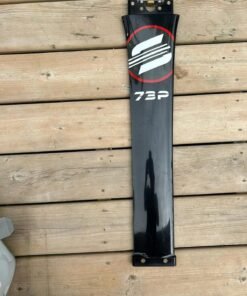
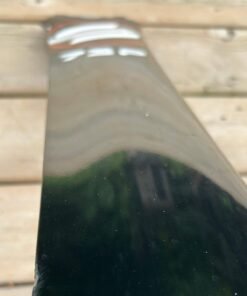
KT Atlas 960 full plane with Atlas 170 tail. 1130
€500.00
The KT Atlas 960 full plane with Atlas 170 tail. 1130 is a high-performance hydrofoil setup engineered for riders seeking smooth glide, responsive carving, and exceptional control across multiple foiling disciplines. Designed with advanced hydrodynamic efficiency, this foil combination delivers balanced lift, fast acceleration, and stable handling for wing foiling, surf foiling, freeride carving, and downwind adventures.
The Atlas 960 front wing provides efficient speed generation and excellent glide retention, allowing riders to maintain momentum with less effort. Meanwhile, the Atlas 170 tail enhances pitch stability and turning precision, creating a predictable yet dynamic riding experience in both flat water and ocean conditions.
Constructed using premium lightweight materials, the KT Atlas 960 full plane with Atlas 170 tail. 1130 offers impressive durability, reduced drag, and smooth energy transfer during pumping and carving maneuvers. Riders benefit from improved maneuverability, stable high-speed performance, and comfortable long-session riding, making this foil setup an outstanding choice for progressing and advanced foilers alike.
Introduction to the KT Atlas 960 Full Plane with Atlas 170 Tail. 1130′
Foil systems endure substantial forces during riding. Therefore, material quality remains essential for durability, stiffness, and long-term performance consistency.
The KT Atlas 960 full plane with Atlas 170 tail. 1130′ utilizes premium construction methods designed to maximize rigidity while minimizing unnecessary weight.
Construction Highlights
- Lightweight performance structure
- High-strength carbon integration
- Excellent torsional stiffness
- Reduced flex under load
- Corrosion-resistant hardware
- Durable marine-grade components
- Precision manufacturing tolerances
Because structural rigidity directly affects responsiveness, riders immediately notice the precise handling characteristics during high-performance maneuvers.
Hydrodynamic Efficiency Explained
How the Foil Generates Efficient Lift
Hydrofoil performance depends heavily on water flow management. Consequently, subtle design refinements create major real-world differences.
The KT Atlas 960 full plane with Atlas 170 tail. 1130′ utilizes advanced shaping principles that help maintain smoother laminar water flow across the wing surfaces
As a result:
- Drag decreases significantly
- Glide improves substantially
- Speed retention increases
- Stall resistance improves
- Pumping efficiency becomes easier
- Turning flow remains smoother
Therefore, riders experience a noticeably refined feeling on the water.
Rider Skill Compatibility
Suitable for Intermediate to Advanced Riders
While beginners may initially prefer larger ultra-stable foil setups, progressing riders often seek equipment that allows continued performance progression.
The KT Atlas 960 full plane with Atlas 170 tail. 1130′ fits perfectly into that transition phase.
Ideal Rider Types
- Intermediate wing foilers
- Advanced freeriders
- Surf foil enthusiasts
- Downwind foilers
- Carving-focused riders
- Pump foil practitioners
- Performance-oriented athletes
Moreover, the setup provides enough forgiveness for skill progression while still offering advanced-level responsiveness.
Real-World Riding Experience
Smooth Yet Dynamic Ride Feel
One of the defining characteristics of the KT Atlas 960 full plane with Atlas 170 tail. 1130′ involves its unique combination of stability and agility.
Some foil systems feel overly technical. Others feel excessively loose. However, this setup achieves an excellent middle ground.
During carving maneuvers, the foil remains highly responsive without becoming unpredictable. Meanwhile, straight-line cruising feels composed and efficient.
Riders Commonly Notice
- Smoother transitions
- Cleaner water release
- Faster pumping rhythm
- Easier glide maintenance
- Controlled speed generation
- Reduced turbulence sensation
- Improved maneuver confidence
Consequently, long sessions become both more enjoyable and less physically demanding.
Performance in Different Water Conditions
Flat Water Performance
In flatter water environments, riders often prioritize efficiency and acceleration.
This setup performs exceptionally well because the low-drag profile helps maintain smooth cruising speeds while supporting efficient pumping practice.
Flat Water Advantages
- Fast acceleration
- Efficient glide
- Stable cruising
- Easy pump training
- Controlled turns
Choppy Water Stability
Choppy conditions frequently expose weaknesses in foil stability. Fortunately, the KT Atlas 960 full plane with Atlas 170 tail. 1130′ handles turbulence impressively well.
Because the setup maintains consistent lift characteristics, riders experience smoother control during rough-water sessions.
Choppy Water Benefits
- Reduced bounce sensitivity
- Stable pitch behavior
- Cleaner recovery after impacts
- Improved directional control
- Better rider confidence
Why Riders Choose the KT Atlas 960 Full Plane with Atlas 170 Tail. 1130′
Key Reasons Buyers Prefer This Setup
Buyers frequently choose this foil configuration because it combines versatility with performance-oriented characteristics.
Unlike highly specialized foil systems that perform well only in narrow conditions, this setup adapts effectively across multiple disciplines.
Most Popular Reasons
- Excellent all-around capability
- Efficient glide performance
- High-quality construction
- Stable yet agile handling
- Reliable control at speed
- Smooth carving response
- Advanced hydrodynamic design
- Premium riding feel
Therefore, riders gain a foil package capable of evolving alongside their skills and riding goals.
Frequently Asked Questions
Is the KT Atlas 960 full plane with Atlas 170 tail. 1130′ good for wing foiling?
Yes. The setup offers efficient lift, smooth acceleration, stable cruising characteristics, and excellent glide performance for wing foiling sessions.
Can this foil setup handle downwind riding?
Absolutely. The efficient glide profile and stable control characteristics make it highly capable for downwind foiling conditions.
Is the setup suitable for progressing riders?
Intermediate riders progressing toward advanced performance foiling benefit greatly from the setup’s balanced stability and responsiveness.
Does the Atlas 170 tail improve control?
Yes. The tail stabilizer enhances pitch stability while maintaining agile carving response and smooth turning behavior.
Final Thoughts on the KT Atlas 960 Full Plane with Atlas 170 Tail. 1130′
The KT Atlas 960 full plane with Atlas 170 tail. 1130′ represents a highly refined hydrofoil configuration engineered for riders seeking advanced glide efficiency, smooth carving precision, reliable control, and exceptional versatility.
Because the setup balances stability with responsiveness so effectively, it performs confidently across wing foiling, surf foiling, freeride carving, and downwind disciplines.
Additionally, the premium construction quality, hydrodynamic efficiency, and refined ride characteristics help create a truly high-performance foiling experience.
For riders pursuing smoother glide, greater pumping efficiency, cleaner carving transitions, and dependable all-around capability, the KT Atlas 960 full plane with Atlas 170 tail. 1130′ stands out as an exceptional choice within the modern foiling market.
KT Atlas 960 Full Plane with Atlas 170 Tail. 1130′ — Part 2
Advanced Performance Characteristics of the KT Atlas 960 Full Plane with Atlas 170 Tail. 1130′
Understanding the Performance DNA Behind This Foil Setup
Every premium hydrofoil possesses a distinct riding personality. Some setups emphasize aggressive turning. Others prioritize maximum glide or ultra-early lift. However, the KT Atlas 960 full plane with Atlas 170 tail. 1130′ combines several advanced performance traits into one highly balanced package.
Because of the carefully refined foil geometry, riders experience efficient water flow management during nearly every phase of the ride. Consequently, acceleration feels smoother, directional transitions become more controlled, and glide retention improves substantially.
Moreover, the setup creates a sensation of connectedness between rider input and foil response. Therefore, subtle weight shifts produce precise reactions without making the foil feel unstable or overly sensitive.
How the KT Atlas 960 Full Plane with Atlas 170 Tail. 1130′ Improves Rider Efficiency
Energy Conservation During Long Sessions
Efficient hydrofoil systems reduce unnecessary rider fatigue. Since drag reduction directly influences pumping effort and sustained glide, the KT Atlas 960 full plane with Atlas 170 tail. 1130′ focuses heavily on energy efficiency.
Instead of forcing riders to constantly generate additional momentum, this foil maintains forward movement naturally through optimized lift characteristics.
Efficiency Benefits Riders Immediately Notice
- Reduced pumping strain
- Easier glide continuation
- Less resistance during acceleration
- Smoother energy transfer
- Improved cruising endurance
- Better low-energy wave connection
- More efficient ocean swell linking
As a result, riders frequently stay on the water longer while maintaining better overall performance consistency.
Carving Dynamics and Turning Precision
Smooth Rail-to-Rail Transition Behavior
Advanced foilers often prioritize carving feel above all else. Consequently, turning response becomes one of the most important elements within foil design.
The KT Atlas 960 full plane with Atlas 170 tail. 1130′ delivers highly controlled carving characteristics that feel fluid rather than abrupt.
During directional changes, the foil transitions progressively between edges while maintaining stable lift distribution throughout the turn.
Carving Advantages
- Predictable turning arcs
- Smooth entry into turns
- Consistent exit acceleration
- Excellent edge control
- Balanced roll response
- Reduced ventilation risk
- Stable mid-turn behavior
Additionally, the Atlas 170 tail helps maintain pitch composure throughout aggressive maneuvers.
High-Speed Stability Performance
Maintaining Control at Increased Riding Speeds
As foil speeds increase, stability becomes increasingly important. Some foil systems become nervous or unpredictable when pushed harder. Fortunately, the KT Atlas 960 full plane with Atlas 170 tail. 1130′ remains composed under pressure.
Because the hydrodynamic profile minimizes unnecessary turbulence, riders maintain excellent control even while accelerating aggressively.
High-Speed Benefits
- Stable tracking
- Reduced wobble tendency
- Better rider confidence
- Controlled acceleration
- Cleaner water release
- Consistent lift balance
- Predictable handling under load
Therefore, advanced riders can confidently push performance boundaries without sacrificing control.
Pumping Performance and Glide Retention
Efficient Energy Transfer Between Pumps
Pumping efficiency plays a critical role in modern foiling disciplines. Whether connecting waves, recovering through lulls, or extending downwind runs, efficient pumping improves overall ride quality significantly.
The KT Atlas 960 full plane with Atlas 170 tail. 1130′ demonstrates excellent glide retention between pump cycles.
Consequently, riders generate sustained momentum more easily.
Pumping Advantages
- Faster cadence rhythm
- Longer glide phases
- Improved recovery efficiency
- Reduced physical exhaustion
- Easier wave connection
- Better low-energy performance
- Controlled vertical movement
Furthermore, the foil remains remarkably stable during repeated pump sequences.
Lift Characteristics and Stall Resistance
Smooth Progressive Lift Generation
Abrupt lift generation can create unstable takeoffs and inconsistent riding behavior. Therefore, progressive lift delivery becomes extremely important.
The KT Atlas 960 full plane with Atlas 170 tail. 1130′ generates lift gradually and predictably.
Because of this refined behavior, riders experience smoother launches with improved balance control.
Lift Benefits
- Controlled takeoff behavior
- Stable low-speed handling
- Improved rider confidence
- Easier touchdown recovery
- Predictable acceleration
- Better progression support
Moreover, the foil demonstrates excellent stall resistance during slower technical maneuvers.
Wing Foiling Optimization
Enhanced Upwind and Downwind Performance
Wing foilers constantly balance power generation, board control, and foil efficiency. Fortunately, the KT Atlas 960 full plane with Atlas 170 tail. 1130′ supports efficient riding in both upwind and downwind directions.
Because the foil retains momentum effectively, riders maintain smoother tracking lines with less effort.
Wing Foiling Performance Highlights
- Efficient upwind angles
- Smooth gust absorption
- Better low-wind glide
- Faster pumping recovery
- Stable jibe transitions
- Controlled speed management
- Comfortable freeride cruising
Additionally, riders often notice improved efficiency during longer exploratory sessions.
Surf Foiling Flow and Wave Connectivity
Improved Pocket Navigation
Wave riding requires instant response combined with efficient glide continuation. Consequently, foil setups designed for surf conditions must remain highly adaptable.
The KT Atlas 960 full plane with Atlas 170 tail. 1130′ handles changing wave energy exceptionally well.
During steeper sections, the foil maintains stable control. Meanwhile, flatter sections benefit from the setup’s impressive glide efficiency.
Surf Foiling Features
- Controlled pocket riding
- Faster wave linking
- Stable carving through sections
- Improved cutback response
- Efficient shoulder glide
- Better speed retention
- Smoother directional transitions
Therefore, riders maintain flow across varying wave conditions more naturally.
Downwind Ocean Performance
Efficient Open-Water Glide
Open-ocean downwind riding requires a foil capable of maintaining efficient glide across inconsistent swell energy.
The KT Atlas 960 full plane with Atlas 170 tail. 1130′ performs exceptionally well in these environments because the foil profile conserves momentum efficiently.
Downwind Advantages
- Easier bump connection
- Longer sustained glides
- Reduced rider fatigue
- Stable directional tracking
- Improved ocean reading confidence
- Smooth acceleration through swells
- Better long-distance comfort
Consequently, riders maintain greater control and efficiency during extended ocean runs.
Material Engineering and Structural Integrity
Advanced Carbon Construction Benefits
Premium hydrofoil systems depend heavily on structural stiffness. Since flex reduces responsiveness and efficiency, construction quality dramatically affects overall performance.
The KT Atlas 960 full plane with Atlas 170 tail. 1130′ incorporates advanced carbon engineering principles to maximize rigidity while minimizing unnecessary weight.
Construction Benefits
- Faster response transfer
- Improved acceleration efficiency
- Reduced structural flex
- Better durability
- Enhanced load handling
- Precise turning feedback
- Consistent long-term performance
Furthermore, the lightweight construction improves handling during transportation and setup.
Water Flow Optimization
Hydrodynamic Refinement for Reduced Drag
Hydrodynamic efficiency determines how effectively a foil moves through water. Therefore, surface refinement and foil shaping play critical roles in overall ride quality.
The KT Atlas 960 full plane with Atlas 170 tail. 1130′ minimizes drag through carefully optimized contouring and profile geometry.
Hydrodynamic Benefits
- Faster speed generation
- Smoother acceleration
- Cleaner glide phases
- Better energy conservation
- Improved pumping efficiency
- Reduced turbulence sensation
- Enhanced top-end efficiency
As a result, riders experience a refined and highly responsive ride feel.
Rider Confidence and Control
Predictable Handling Across Conditions
Confidence directly influences rider progression. Because predictable foil behavior improves consistency, riders can focus more on technique refinement rather than equipment management.
The KT Atlas 960 full plane with Atlas 170 tail. 1130′ offers highly balanced handling characteristics that inspire confidence across varying conditions.
Confidence-Boosting Features
- Stable pitch control
- Smooth roll transitions
- Reliable turning behavior
- Predictable acceleration
- Controlled lift response
- Forgiving recovery characteristics
- Consistent glide performance
Consequently, riders progress more naturally while maintaining better overall session quality.
Why Advanced Riders Appreciate This Setup
Performance Without Excessive Technical Difficulty
Some high-performance foils demand constant rider correction. Others feel restrictive at advanced speeds. However, the KT Atlas 960 full plane with Atlas 170 tail. 1130′ balances accessibility with elite-level performance.
Advanced riders appreciate the setup because it remains highly capable without becoming excessively demanding.
Advanced Performance Advantages
- Dynamic carving capability
- Efficient high-speed glide
- Excellent pumping rhythm
- Refined responsiveness
- Stable acceleration behavior
- Predictable edge control
- Smooth maneuver transitions
Therefore, riders gain access to high-end performance without sacrificing ride comfort.
Foil Setup Versatility
Adapting to Multiple Riding Styles
Modern riders frequently participate in multiple foiling disciplines. Consequently, versatile foil setups provide significant value.
The KT Atlas 960 full plane with Atlas 170 tail. 1130′ adapts effectively to:
- Wing foiling
- Surf foiling
- Freeride carving
- Downwind riding
- Pump foiling
- Coastal cruising
- Open-water exploration
Because of this versatility, riders can confidently use the setup across changing environments and skill progression stages.
Real-World Session Benefits
What Riders Often Experience During Longer Sessions
Many riders notice meaningful improvements in overall session enjoyment when switching to efficient foil systems.
The KT Atlas 960 full plane with Atlas 170 tail. 1130′ contributes to:
- Longer riding duration
- Reduced fatigue
- Improved maneuver confidence
- Better energy conservation
- More consistent glide
- Faster skill progression
- Greater riding versatility
Additionally, the balanced handling characteristics help riders remain comfortable even in variable conditions.
Equipment Compatibility and Setup Integration
Streamlined Performance Integration
Premium foil systems must integrate efficiently with modern boards and riding styles. Consequently, compatibility and balance remain essential.
The KT Atlas 960 full plane with Atlas 170 tail. 1130′ works exceptionally well with a variety of advanced foil boards and wing setups.
Compatibility Advantages
- Stable board integration
- Efficient mast response
- Balanced pressure distribution
- Smooth turning feedback
- Predictable handling dynamics
Therefore, riders achieve a cohesive overall setup feel.
Frequently Asked Questions About the KT Atlas 960 Full Plane with Atlas 170 Tail. 1130′
Does this setup prioritize speed or glide?
The setup balances both characteristics exceptionally well. Riders experience efficient glide retention while still maintaining strong acceleration and top-end speed capability.
Is the Atlas 170 tail stable enough for advanced riding?
Yes. The Atlas 170 tail delivers excellent pitch stability while preserving responsive turning characteristics and carving agility.
Can intermediate riders handle this foil?
Absolutely. Intermediate riders progressing toward performance foiling often benefit significantly from the setup’s balanced responsiveness and predictable handling.
Does this foil work well in choppy conditions?
Yes. The refined hydrodynamic profile and stable lift characteristics help maintain smooth control in rougher water conditions.
Final Performance Summary
The KT Atlas 960 full plane with Atlas 170 tail. 1130′ combines efficient glide, stable control, smooth carving precision, and advanced hydrodynamic engineering into one highly versatile foil package.
Because the setup performs confidently across wing foiling, surf foiling, freeride carving, and downwind disciplines, riders gain access to a truly adaptable high-performance system.
Additionally, the refined lift delivery, efficient pumping characteristics, premium construction quality, and balanced handling behavior elevate the overall riding experience substantially.
For riders seeking smooth acceleration, efficient glide retention, reliable control, and dynamic carving capability, the KT Atlas 960 full plane with Atlas 170 tail. 1130′ represents an exceptional choice within modern hydrofoil performance design.
Deep Technical Breakdown of the KT Atlas 960 Full Plane with Atlas 170 Tail. 1130′
Precision Foil Design for Modern High-Performance Riding
Foiling technology continues advancing at an extraordinary pace. Because riders demand increasingly refined control, modern foil systems now emphasize hydrodynamic balance as much as outright lift generation. The KT Atlas 960 full plane with Atlas 170 tail. 1130′ demonstrates this evolution exceptionally well.
Rather than relying on oversized surfaces or excessive drag-heavy lift profiles, this setup focuses on refined water flow efficiency, controlled acceleration, and responsive handling. Consequently, riders experience smoother transitions, more predictable carving behavior, and superior glide continuity.
Furthermore, the carefully engineered balance between the front wing and stabilizer creates a cohesive riding platform capable of adapting across multiple disciplines.
Front Wing Hydrodynamics
How the KT Atlas 960 Generates Efficient Lift
Hydrofoil wings operate by manipulating water pressure and flow velocity. Therefore, subtle profile adjustments dramatically influence overall performance behavior.
The KT Atlas 960 full plane with Atlas 170 tail. 1130′ utilizes an advanced foil section optimized for both lift efficiency and drag reduction.
Because the foil maintains smoother laminar flow characteristics, riders benefit from improved speed retention and more stable control.
Hydrodynamic Advantages
- Lower drag coefficient
- Progressive lift curve
- Reduced cavitation tendency
- Cleaner water separation
- Improved glide ratio
- Better speed maintenance
- Smoother turning response
Additionally, the foil profile minimizes turbulence generation during high-speed riding.
Surface Area Efficiency
Why the 960 Platform Performs So Well
Surface area plays a major role in hydrofoil performance. Larger wings often improve low-speed lift but may sacrifice agility. Smaller wings increase maneuverability while sometimes reducing stability.
The KT Atlas 960 achieves an excellent compromise between those characteristics.
Because the wing area supports efficient lift without creating excessive resistance, riders gain access to both dynamic handling and efficient glide.
Surface Area Benefits
- Balanced lift generation
- Efficient cruising speed
- Stable low-speed behavior
- Improved maneuverability
- Enhanced carving response
- Better acceleration control
- More versatile performance range
Consequently, the setup remains highly adaptable across changing water conditions.
Atlas 170 Tail Stabilizer Engineering
Tail Wing Influence on Ride Feel
Tail stabilizers dramatically affect foil personality. Since pitch stability depends heavily on stabilizer geometry, the Atlas 170 tail contributes significantly to the overall riding experience.
The KT Atlas 960 full plane with Atlas 170 tail. 1130′ delivers controlled responsiveness while preserving rider confidence.
Tail Stabilizer Characteristics
- Stable pitch behavior
- Smooth directional correction
- Balanced turning initiation
- Controlled high-speed tracking
- Predictable recovery characteristics
- Efficient trim stability
- Reduced oversteer sensitivity
As a result, riders experience a foil setup that feels both agile and composed simultaneously.
Advanced Pumping Mechanics
Why This Setup Excels During Pump Transitions
Efficient pumping depends heavily on lift recovery and glide retention. Consequently, foil systems optimized for low drag typically perform better during sustained pumping sequences.
The KT Atlas 960 full plane with Atlas 170 tail. 1130′ maintains momentum extremely efficiently between vertical pump cycles.
Because the foil conserves forward energy effectively, riders expend less effort maintaining sustained glide.
Pumping Performance Benefits
- Better energy conservation
- Faster rhythm establishment
- Reduced rider fatigue
- Improved glide continuation
- Easier wave linking
- More efficient dock starts
- Cleaner vertical movement
Moreover, the foil remains stable throughout repeated pump sequences.
Turning Response and Roll Dynamics
Controlled Yet Dynamic Carving Feel
Carving performance involves much more than turning radius alone. Roll initiation, edge engagement, and lift stability all influence overall maneuver quality.
The KT Atlas 960 full plane with Atlas 170 tail. 1130′ demonstrates highly refined turning behavior because the foil transitions smoothly through directional changes.
Carving Dynamics
- Progressive edge engagement
- Controlled roll speed
- Stable lift during turns
- Predictable exit acceleration
- Fluid rail transitions
- Smooth directional flow
- Balanced carving sensitivity
Therefore, riders maintain excellent control while executing aggressive maneuvers.
Speed Generation and Acceleration
Fast Yet Manageable Performance Characteristics
Many riders seek hydrofoils capable of generating speed efficiently without becoming difficult to manage.
The KT Atlas 960 full plane with Atlas 170 tail. 1130′ accelerates progressively while preserving stable control characteristics.
Because the foil profile minimizes unnecessary drag, riders experience smooth speed development across varying riding conditions.
Speed-Related Advantages
- Efficient acceleration
- Stable top-end behavior
- Controlled pressure management
- Improved rider confidence
- Cleaner glide phases
- Better gust response
- Smooth deceleration control
Consequently, the setup performs confidently during both technical and freeride situations.ozone paraglider rucksack
Wing Foiling Performance Expansion
Supporting Progressive Wing Foil Riding
Wing foiling demands adaptability because riders constantly encounter varying wind strengths and water states.ozone paragliders
The KT Atlas 960 full plane with Atlas 170 tail. 1130′ supports modern wing foiling exceptionally well by combining efficient lift with excellent glide continuation.ozone alta paraglider
Wing Foiling Benefits
- Earlier takeoff efficiency
- Stable cruising dynamics
- Smooth jibe transitions
- Better upwind efficiency
- Efficient pumping through lulls
- Improved speed control
- Balanced freeride handling
Furthermore, the setup encourages smoother progression into advanced maneuvers.
Surf Foiling Adaptability
Maintaining Flow Across Changing Wave Energy
Surf foiling requires constant adaptation to wave energy fluctuations. Therefore, foil responsiveness becomes critically important.
The KT Atlas 960 full plane with Atlas 170 tail. 1130′ handles varying wave sections smoothly because the setup preserves efficient glide while maintaining responsive turning control.
Be the first to review “KT Atlas 960 full plane with Atlas 170 tail. 1130”
Related products
Second Hand

Second Hand
Second Hand
Second Hand
Second Hand
Second Hand
Second Hand
Second Hand
Reviews
There are no reviews yet.